April 3 1861 Wednesday
Rhoda H Shannon Incident, SC
South Carolina. The state of South Carolina ratified the Confederate Constitution by 114 to 16 votes.
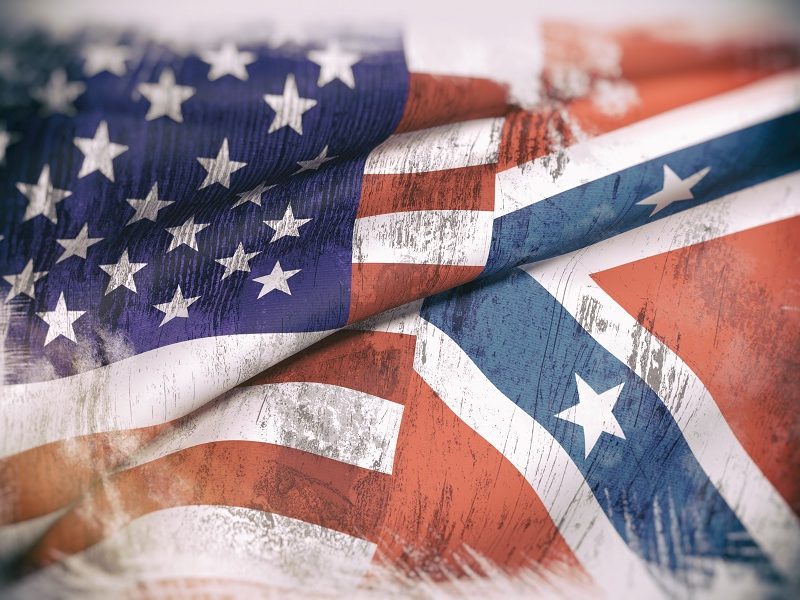
Rhoda H Shannon Incident, Charleston, South Carolina. A Confederate battery on Morris Island in Charleston Harbour fired at the schooner Rhoda H Shannon. The 180-ton schooner Rhoda H Shannon left Boston on 26 March bound for Savannah with a shipment of ice. Bad weather during her voyage prevented navigational fixes and during the afternoon of 3 April the ship’s master mistook the Charleston harbour entrance as Tybee Island at the mouth of the Savannah River. Sighting a pilot boat, he sent a man to the bow to wave the American flag as a request for a pilot to come aboard. When one didn’t arrive, the master decided to enter the port unaided. As the schooner neared Morris Island, guns from the Confederate emplacements there fired several shots across his bow. As his ship was not flying its colours, the master presumed that was the cause for the firing and he hastily raised the US flag. The guns continued to fire and scored several near-misses. The master turned his ship about and anchored just inside the Charleston bar. US Major Robert Anderson, commanding at Fort Sumter, sent the fort’s boat with an officer to Morris Island to obtain an explanation for the firing and to request permission to visit the schooner. Lieutenant-Colonel W G De Saussure, commanding the Confederate forces on Morris Island, advised that he was under orders to prevent any ship flying the US flag from entering the harbor. De Saussure sent a revenue cutter to ascertain damage on the schooner and Anderson’s boat followed. The master explained his actions and admitted confusion. Both sides accepted the explanation and were relieved that no damage or casualties were incurred. Lt. Col. DeSaussure gave assurances that the vessel would not be molested if she sought safety from the weather and anchored in the harbor but the Shannon soon headed out to sea. Confederate authorities quashed rumors that the schooner was attempting to re-supply Fort Sumter in advance of a fleet of US warships.
Union Organisation
Commander in Chief: President Abraham Lincoln
Vice-President: Hannibal Hamlin
Secretary of War: Simon Cameron
Secretary of the Navy: Gideon Welles
African Squadron: William Inman
Brazil Squadron: Joshua Ratoon Sands
East Indian (Asiatic) Squadron: Cornelius Kinchiloe Stribling
European Squadron: vacant
Home Squadron: Garrett J Prendergast
Mediterranean Squadron: Charles H Bell
Pacific Squadron: John Berrien Montgomery
General–in-Chief: Winfield Scott
Department of the East: John Ellis Wool
Department of New Mexico: William Wing Loring
Department of the Pacific: Albert Sidney Johnston interim, Edwin Vose Sumner awaited
- District of Oregon: George Wright
Department of Texas: Carlos Adolphus Waite
Department of Utah: Philip St George Cooke
Department of the West: William Selby Harney
Confederate Organisation
Commander in Chief: President Jefferson Finis Davis
Vice-President: Alexander Hamilton Stephens
Secretary of War: Leroy Pope Walker
Secretary of the Navy: Stephen Russell Mallory
“Department of Louisiana”: David Emanuel Twiggs
- “Forces in New Orleans” “Army of Louisiana”: Braxton Bragg
Department of South Carolina: Pierre Gustave Toutant Beauregard
- “Forces in Charleston”: Pierre Gustave Toutant Beauregard
Department of West Florida: Braxton Bragg
- “Forces in Pensacola”: Braxton Bragg
Forces in Harper’s Ferry”: Kenton Harper
Union Generals
Major-General USA
Winfield Scott
Brigadier-General USA
John Ellis Wool
William Selby Harney
Edwin Vose Sumner
Brigadier-General USA (Staff)
Joseph Eggleston Johnston
Confederate Generals
Major-General PACS
David Emanuel Twiggs
Brigadier-General ACSA
Pierre Gustave Toutant Beauregard
Braxton Bragg
 American Civil War High Command